
Performance Fabric: Why It’s a Lifesaver for Sofas
If you want a sofa you can actually use—think feet up, snacks nearby, kids climbing, pets circling for the warm spot—performance fabric is the low-maintenance choice that keeps your day moving.
In this guide, we’ll break down what performance fabric is, what it’s made of, how it feels, how to clean it, and how it compares to microfiber and leather—so you can choose something that looks good and survives till Sunday.
What is performance fabric?
Performance fabric is upholstery engineered to resist everyday mess and wear, so cleaning stays simple. It’s designed to slow down spills, release stains more easily, and hold up to constant sitting, sliding, and lounging.
In other words: it’s fabric that doesn’t turn normal life into a cleaning project.
The Jaron Performance Fabric Recliner Sofa
Picture credits: @qalbtohome
The Jaron Performance Fabric Recliner Sofa
Picture credits: @qalbtohome
The Mori Performance Fabric Single Arm Sofa
Picture credits: @jco.naturehome
The Mori Performance Fabric Single Arm Sofa
Picture credits: @jco.naturehome
What is performance fabric made of?
Performance fabric isn’t one material—it’s a category. Most performance upholstery uses durable synthetic fibers (or blends) because they’re easier to live with day to day: they resist wrinkling, hold dye well, and tend to clean up without drama.
| Material | What it’s like day-to-day | Best for | Maintenance |
|---|---|---|---|
| Polyester | Dependable, color-stable, usually easy to spot clean | Living room sofas, dining chairs, multipurpose rooms | Choosing textured weaves that hide small marks + pet hair |
| Nylon | Tough under friction; holds up in high-use zones | Family rooms, frequently used seats | Vacuuming regularly so grit doesn’t grind in |
| Olefin (polypropylene) | Naturally moisture-resistant; practical | Busy homes; sometimes outdoor use | Avoiding heat tools and harsh cleaners |
| Acrylic (often solution-dyed) | Performs well against sun exposure and moisture | Bright rooms, patios | Following care guidance to prevent surface dulling |
| Blends | Tuned for comfort + durability | If you want softness without high maintenance | Checking the care code once, then keeping it simple |
Why performance fabric feels low-maintenance
Low maintenance doesn’t mean “nothing ever happens.” It means the fabric is designed so when something happens, you can deal with it quickly. Performance fabrics usually rely on some combination of:
A tighter weave helps keep messes on the surface
Many performance fabrics use tightly woven fibres that make it harder for crumbs, dust, and pet hair to work their way deep into the upholstery.
Think of it as the difference between sweeping a smooth floor and trying to clean sand out of a shag rug. The less room debris has to settle, the easier cleanup becomes.
A protective finish (your extra minute to react)
Many performance fabrics are treated with finishes that encourage liquids to bead on the surface rather than immediately soaking in. That brief delay can make all the difference between a quick blot and a permanent stain. It's not magic, but it can feel surprisingly close when coffee heads toward your sofa cushion.
The Jonathan Side Chaise Sectional Sofa
Picture credits: @ella_victoriaaa
The Jonathan Side Chaise Sectional Sofa
Picture credits: @ella_victoriaaa

The Auburn Performance Fabric Curve Sofa
Picture credits: @ashmazzina
The Auburn Performance Fabric Curve Sofa
Picture credits: @ashmazzina

What performance fabric feels like?
One of the biggest myths surrounding performance fabric is that it feels stiff, synthetic, or overly technical. Today's performance upholstery is designed to be just as inviting as it is practical, and can come in textures that work for real homes:
Linen-look weaves: Lightly textured, good at disguising everyday marks (the little smudges that appear even when you swear nobody touched anything).
Velvet-like performance: Soft, plush, and cozy underhand. Can show nap direction and where you sit most.
Bouclé-style performance: These fabrics deliver the texture and visual interest people love, though homes with pets may want to consider tighter weaves to reduce the risk of snagging.
Performance fabric on a sofa: What to look for
If you’re searching “what is performance fabric sofa,” you’re not just asking what it is—you’re asking whether it’s going to make your life easier. Here’s what does.
The low-maintenance sofa checklist
Removable cushion covers: Removable covers make routine maintenance significantly easier. Spot cleaning is helpful, but being able to remove a cover when life gets particularly messy is even better. If the seat covers unzip, you’ll handle life faster.
Strategic placement of performance fabric: The seat cushions, arms, and back cushions experience the most daily contact. These high-touch areas benefit the most from performance upholstery.
Color and texture that hides daily life: Ultra-smooth, very dark fabrics can sometimes reveal lint, dust, and fingerprints more easily. Mid-tone colors and textured weaves often do a better job hiding everyday evidence of living.
Sunlight exposure: “Fade resistant” isn’t “fade proof.” If your sofa sits in direct sunlight, look for upholstery specifically designed with UV resistance in mind.
The uncomplicated upkeep routine
One of the biggest advantages of performance fabric is that maintenance doesn't need to become a full-time hobby. And that’s the whole point. You shouldn’t need a special cabinet of products or a masterclass in stain removal.
Weekly maintenance (5 minutes, genuinely)
Vacuum with an upholstery attachment (especially seat seams and where crumbs migrate). If you have pets, do a quick pass with a lint roller or rubber brush on the spots they claim as theirs.
Monthly maintenance (or when the sofa starts looking used)
Rotate cushions if you can (even just swapping left/right helps keep wear even). If your fabric has a velvet-like finish, gently brushing the nap can help maintain a consistent appearance.
Recommended read: How To Clean a Performance Fabric Sofa
Cleaning spills and stains
First rule: Blot using a clean and dry cloth; don’t rub. Rubbing spreads the mess and pushes it deeper into the fibers. Use mild soap and water solution on a damp cloth for stains that have settled in a bit faster than you had hoped for. Then, blot the area with clean water to remove the soap residue.
Allow the area to air dry completely and avoid aggressive heat, which can damage the fabric's performance properties.
Upholstery cleaning codes explained
Cleaning codes tell you what the fabric can handle. Keep this section, because it prevents well-intentioned cleaning mistakes.
| Code | What it typically means | Maintenance |
|---|---|---|
| W | Water-based cleaning is okay | Easy mode: mild soap + water |
| S | Solvent only (no water) | Keep it simple: use approved solvent or a professional cleaning service |
| WS | Water or solvent | Start gentle; follow care instructions |
| X | Vacuum only | Do not add liquids; call a professional for stain removal |
How performance fabric compares
Performance fabric vs microfiber
Performance fabric and microfiber are often confused, but they're not the same thing.
Microfiber refers to extremely fine fibers, often made from polyester, that create a soft and smooth texture. Performance fabric refers to a broader category focused on stain resistance, durability, and ease of maintenance.
Some microfiber fabrics are performance fabrics. Others are not.
Performance fabric vs leather
If your priority is managing everyday messes with minimal effort, performance fabric often comes out ahead.
Leather can be wiped clean easily, but it's also more susceptible to scratches and typically requires periodic conditioning to maintain its appearance.
Performance fabric offers a softer, more relaxed feel while helping to simplify cleanup after daily accidents.
Is 100% polyester considered performance fabric?
Polyester can be part of performance fabric, but the “performance” isn’t guaranteed by fiber alone. The big difference is usually how the fabric is built (tight weave) and whether it has a protective finish. That’s what makes cleanup feel uncomplicated.
Why performance fabric is worth it
Performance fabric has become a favourite for modern homes because it strikes a balance that can feel surprisingly rare: comfort, durability, and easier maintenance in one package.
Whether you're navigating muddy paws, movie-night snacks, energetic kids, or simply the realities of everyday living, performance fabric is designed to give you a little more flexibility and a lot less stress. And when your sofa is one of the most-used pieces in your home, that's a feature you'll appreciate every single day.
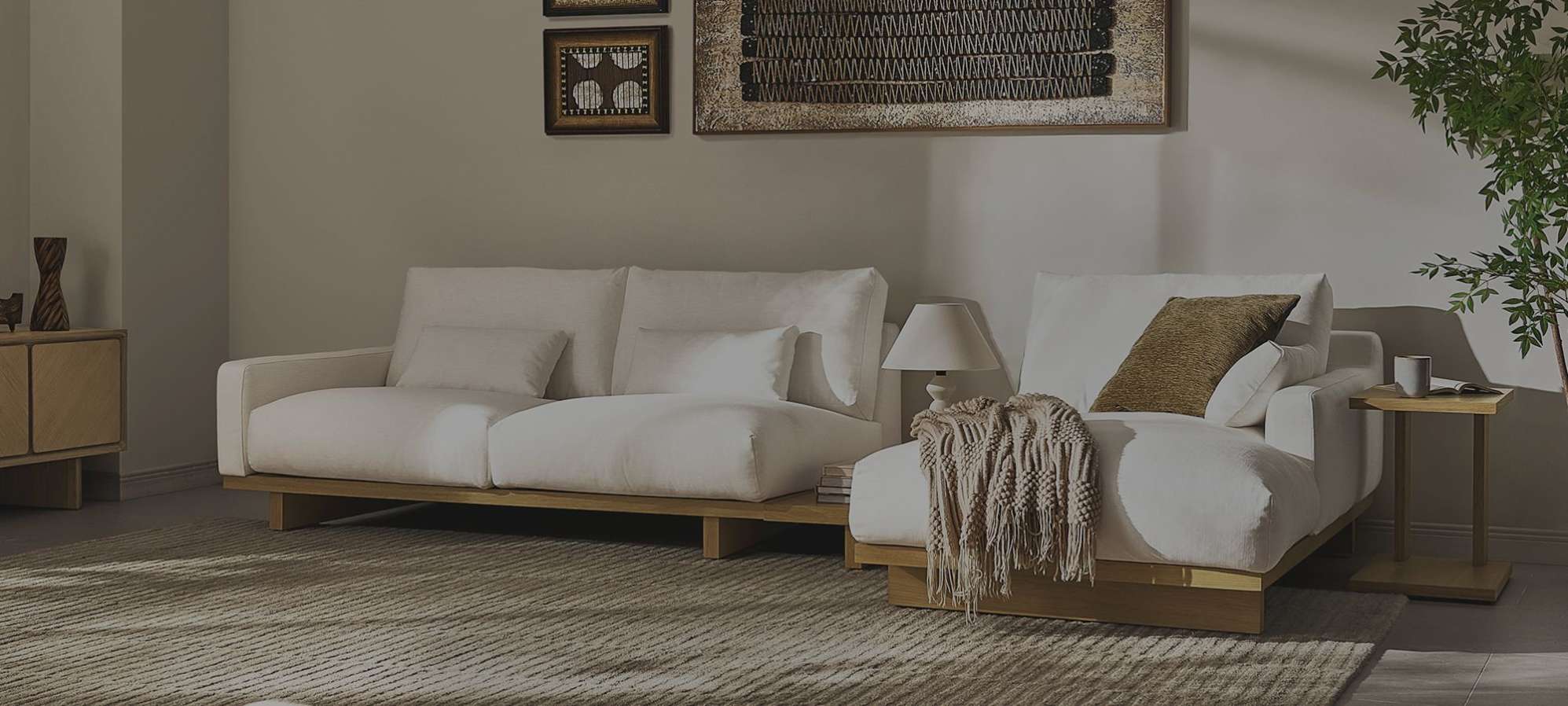
Frequently asked questions about performance fabric
How long can the performance finish last?
Typically, performance fabric can last from 1 to 3 years but this is highly dependent on the fabric, usage, and maintenance of the furniture.
How do I prolong the life of the performance fabric?
The best way to ensure your performance fabric furniture withstands the test of time is to follow care instructions and avoid any direct heat or use of chemicals on the fabric. For a more in-depth guide, check out how to care for performance fabric.
Is performance fabric better than leather?
If your goal is low-effort upkeep for daily mess, performance fabric is often the calmer option—especially for stains. Leather can wipe clean, but it’s more likely to show scratches and requires conditioning to keep it looking its best.
