
Open Floor Plans: Dream Layout or Daily Drama?
Sunlight is pouring through the windows. A kitchen flowing into the living room. A large sectional sofa anchors the space while dinner simmers nearby. Modern open floor plans sell a lifestyle that feels bright, connected, and effortlessly relaxed.
And honestly, they can be.
But open-concept living also means cooking smells travel freely, Zoom calls compete with the blender, and the kitchen is always part of the scenery, whether you cleaned it or not. Because open floor house plans aren’t just about aesthetics—they shape how you live, host, relax, and move through your home every day.
So, are open floor concept house plans still worth it? Let’s break down the reality behind the dream layout.
What is open-concept living?
Open-concept living refers to a floor plan that removes most of the walls separating common areas. The kitchen, living room, and dining room flow into one large, unified space designed to encourage interaction, enhance the flow of natural light, and cultivate a profound sense of space.
And this idea isn’t new. Open concept floor plans gained momentum after World War II, when families started prioritising flexible living over formally partitioned rooms. The thinking was simple: fewer walls meant more togetherness. Rooms where people could actually coexist, not just cohabit.
The Arden Performance Fabric Swivel Armchair
Picture credits: @chellecai
The Arden Performance Fabric Swivel Armchair
Picture credits: @chellecai
The pros and cons of open-concept living
Does this philosophy still hold any relevance today? The answer is nuanced. Like every good design idea, open floor plans come with their good and bad:
Why people love modern open floor plans
Natural light: The most immediate win with open floor house plans is natural light. Remove the walls, and sunlight travels further, reaches deeper, and transforms the entire feel of a home.
Flexible furniture placement: With no walls dictating the arrangement, you cam zone, layer, and rearrange as your taste evolves. Even a modest space becomes genuinely flexible, and that kind of freedom is rare in interior design.
Everyone stays connected: Open-concept layouts naturally encourage interaction. You can cook while talking to guests, keep an eye on the kids while answering emails, or continue conversations without shouting through hallways like you’re communicating across mountain ranges.
Hosting feels easier: There’s a reason open layouts dominate modern entertaining spaces. People gather naturally when there aren’t physical barriers telling them otherwise. For anyone who entertains, or simply wants a home that feels lived-in rather than sectioned off, open concept floor plans deliver something walls simply cannot.
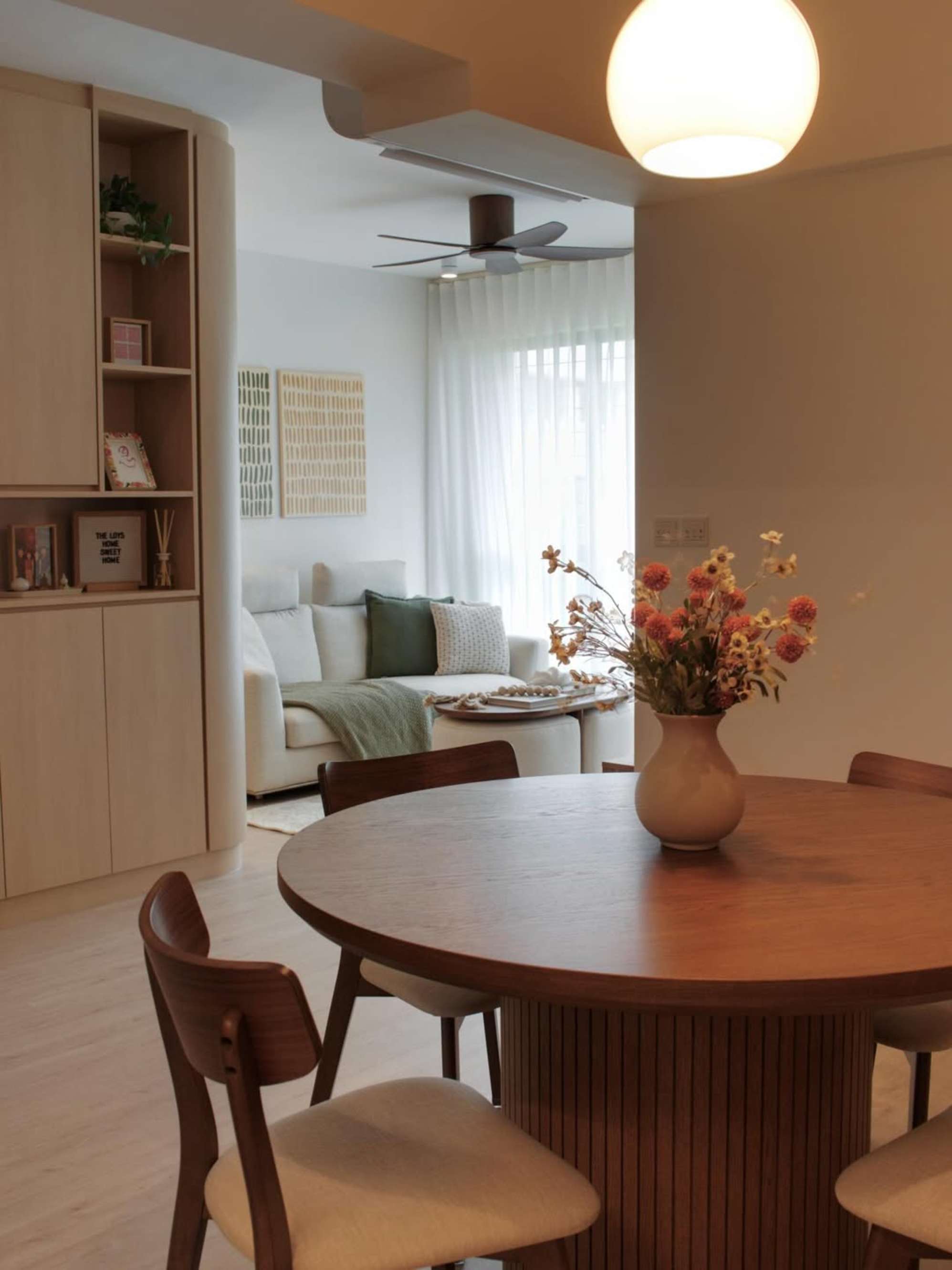
The Harper Round Dining Table
Picture credits: @stylewithsinyi
The Harper Round Dining Table
Picture credits: @stylewithsinyi
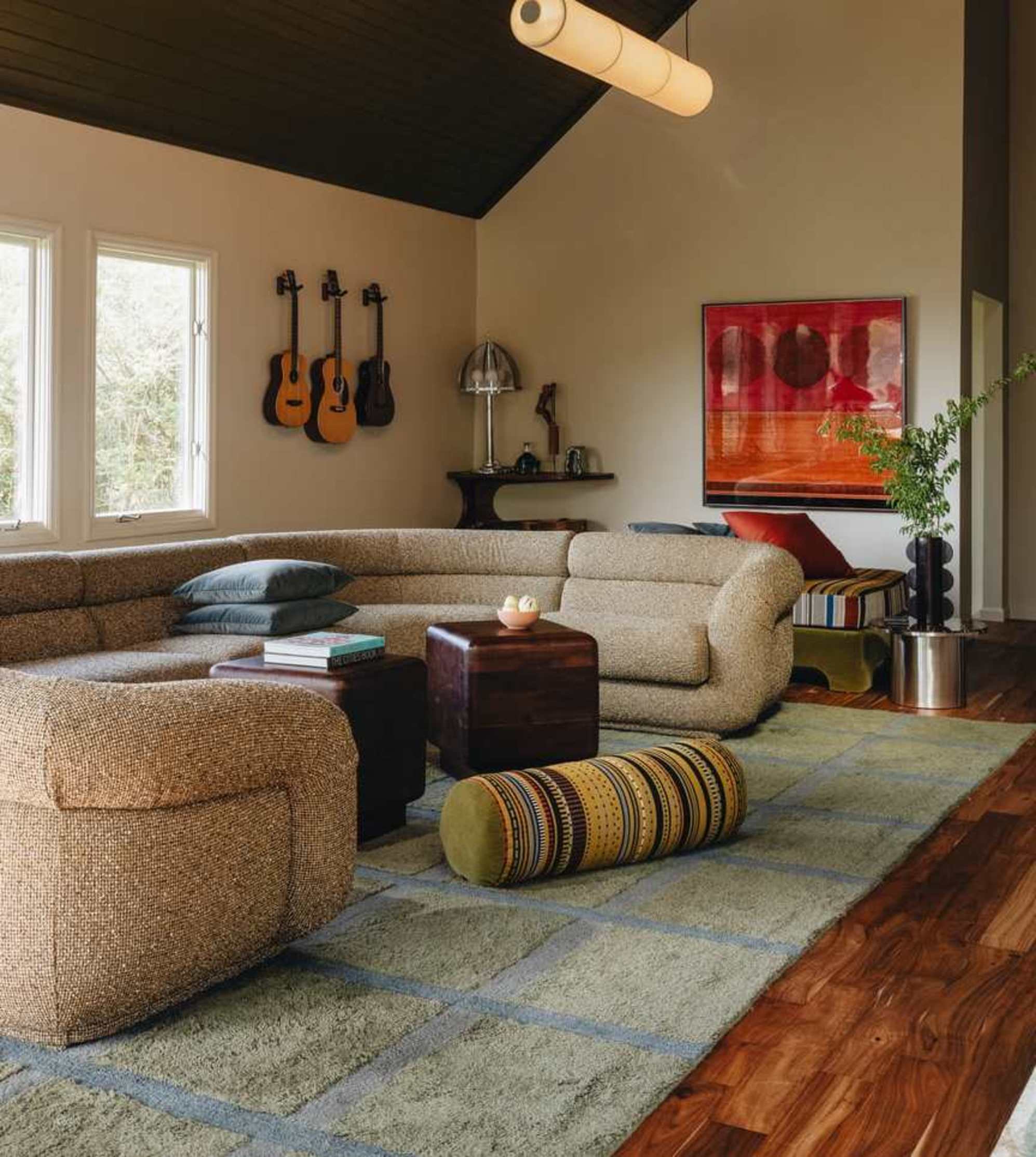
The Solari Performance Fabric Sectional Sofa
Picture credits: @natalieodesign, @katelikeheart
The Solari Performance Fabric Sectional Sofa
Picture credits: @natalieodesign, @katelikeheart
When open floor plans become a little too open
Privacy becomes negotiable: An open layout is wonderful until everyone in the house needs the space at the exact same time. Without walls, privacy shifts from something structural to something that requires considerably more thought.
Noise travels everywhere: Fewer walls mean fewer barriers for noise. Sound moves freely through open spaces, which means it’ll end up in your ear when you need sleep.
The energy bill shock: Heating and cooling a large, undivided space takes more effort than managing smaller, enclosed rooms.
Open-concept living: A quick comparison
Before committing to any structural changes, it helps to lay out the reality plainly. Here's an honest gut-check before you tear down any walls:
| Pros | Cons |
|---|---|
| Natural light moves freely through the whole space | Privacy is limited, or sometimes none at all |
| Furniture arrangements are endlessly flexible | Noise travels just as freely as the light does |
| Children and pets are always in sight | Heating and cooling costs run higher |
| Conversation happens naturally, across zones | Cooking smells have no borders |
Furniture ideas for open floor plans that actually work
Getting the furniture right is where an open floor plan either comes together or quietly falls apart. Without walls creating structure, your furniture has to do the architectural work instead. Here's how to approach it with intention:
1. Start with a neutral base
When it comes to open floor plans, start with a neutral foundation. Soft greys, warm beiges, or crisp whites create a sense of continuity across a large, undivided space without flattening it. Think of it as a blank canvas before everything else comes to life.
From there, pull accent colours from the adjoining areas. For example, if your kitchen features deep blue cabinetry or earthy green tiles, echo those tones through artsy pillow arrangements, throws, or a single statement chair. The result is a space that feels curated rather than coincidental.
2. Use furniture to create zones
A furniture layout for an open floor plan needs to work harder than it does in a partitioned room. Without walls to divide the space, your furniture has to.
For example, a well-placed sectional sofa forms a natural boundary between the living and dining zones, maintaining the flow while quietly telling the eye where one space ends and another begins.
For rooms with a lot of dead space, floor mirrors, large plants, and open shelving add texture and visual breaks without the permanence of a wall. The goal isn't to rebuild put the walls back, but to give each area a clear sense of purpose.
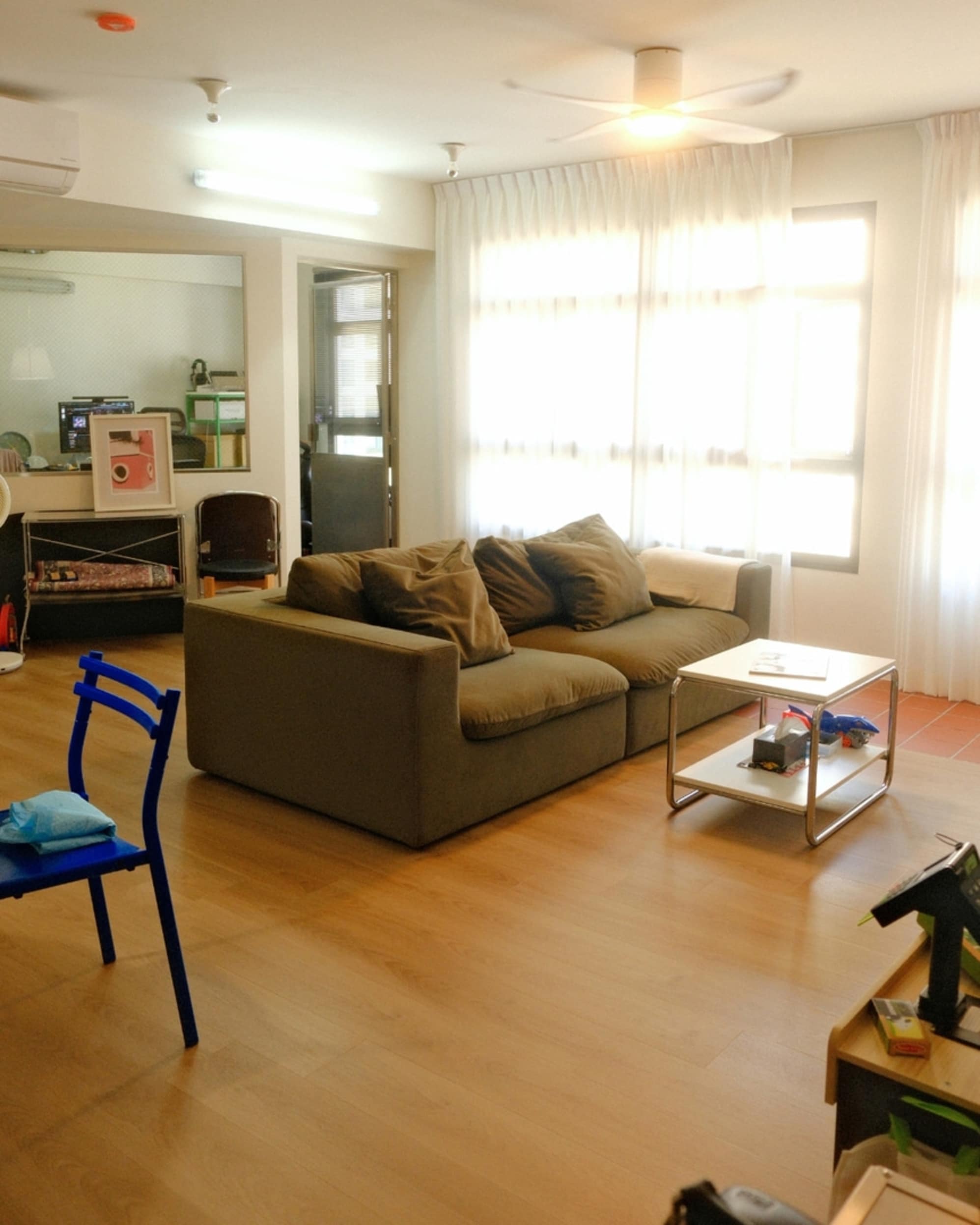
The Dawson 3-Seater Sofa
Picture credits: @sukasucasa
The Dawson 3-Seater Sofa
Picture credits: @sukasucasa
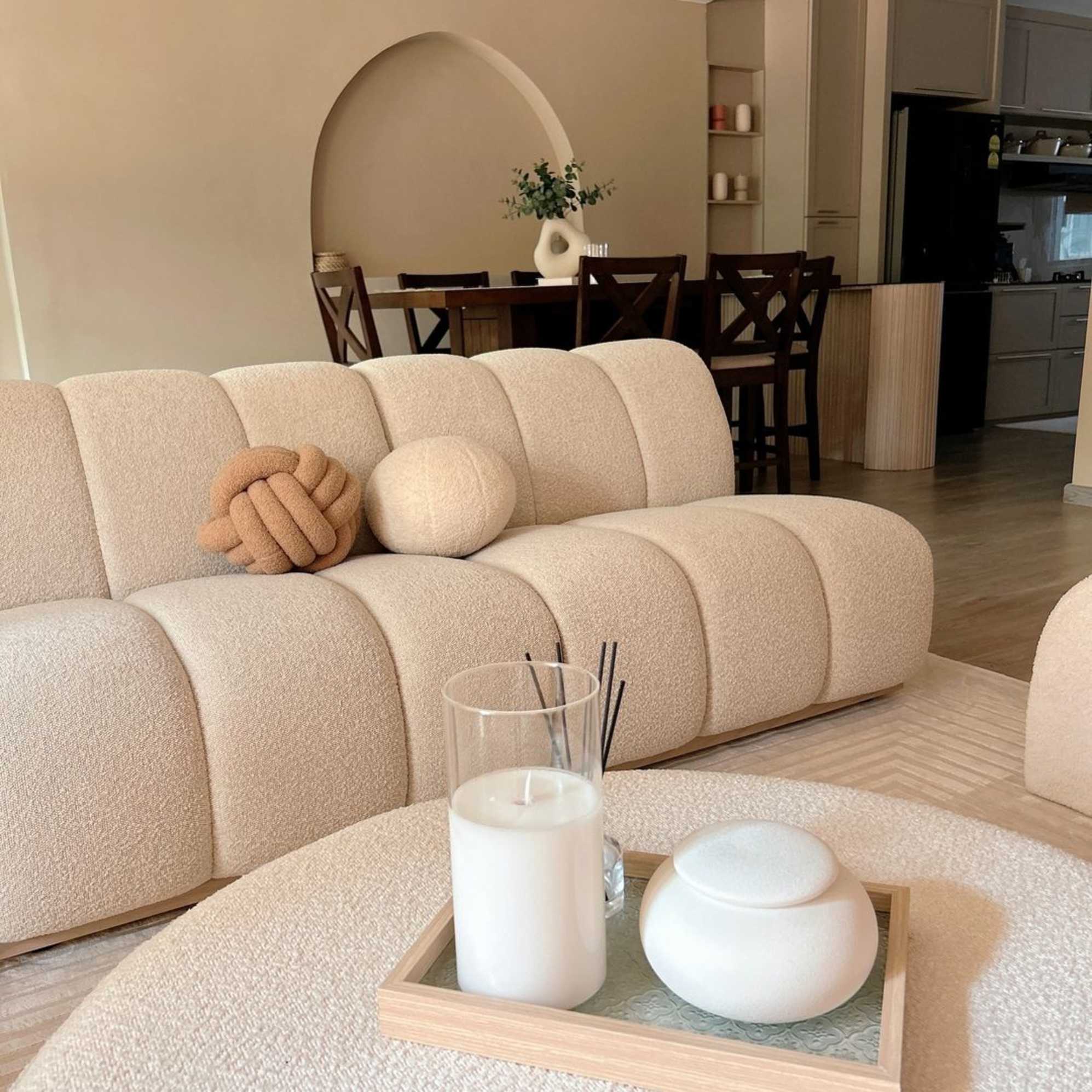
The Marlow Performance Bouclé Sectional Sofa
Picture credits: @marshy.home
The Marlow Performance Bouclé Sectional Sofa
Picture credits: @marshy.home
3. Anchor spaces with rugs
Rugs are one of the hardest-working elements in an open floor plan furniture layout. They visually anchor each zone, helping the living area, dining space, and reading nook feel intentional rather than randomly assembled.
A large area rug under the sofa grounds the living room. A lower-profile, smaller rug beneath the dining table defines the eating area without competing visually.
Texture matters too. A high-pile, plush rug softens lounging spaces, while flatter weaves work better under dining furniture where chairs need to slide without starting a daily wrestling match.
The one rule: keep colours cohesive enough that the room reads as one space, not a curated collection of separate rooms.
4. Float your furniture
In an open floor plan furniture layout, the instinct to push everything against the walls is worth resisting. Furniture arranged against the perimeter tends to feel disconnected, so instead, float furniture inward to create intimate conversation zones within the larger space.
A sofa paired with armchairs grouped around a coffee table creates an immediate sense of conversation and intimacy. Add footstools for flexibility, and you have a layout that shifts easily depending on who's in the room and what's happening.
5. Work with natural pathways
A good open floor plan furniture layout works with how people actually move through a space, not against it. Arrange furniture to clear natural pathways, not create an obstacle course for guests to navigate.
A clear path from the front door to the kitchen, from the sofa to the dining table—these aren't just practical considerations, they're what make a home feel effortless to be in.
Natural light is another guide. Position seating to take advantage of the light coming through windows and doors rather than sitting in front of it. A sofa placed perpendicular to a large window divides zones cleanly while keeping the light exactly where it belongs.
Making open-concept living work for you
The appeal of open floor plans has never really been about architecture. It's about how a home feels to be in—how it encourages connection, admits light, and allows life to happen across a space rather than inside separate boxes.
And getting there requires more than removing walls. It requires thoughtful furniture selection, deliberate zoning, and a genuine understanding of how your household moves and lives. Modern open floor plans reward that effort, but they also expose every shortcut.
Frequently asked questions about open floor house plans
What is an open-concept living room?
An open-concept living room is one where the living area flows directly into the kitchen, dining room, or both, with no walls or doors separating them. It's the layout that makes real estate listings use words like "airy" and "effortless flow." In practice, it means more light, more connection, and yes, everyone knowing exactly what you're cooking for dinner.
Where can I put my TV in an open-concept living room?
Aim for a central location that's visible from both the living and dining areas, or wall mount so you never need to worry that your pets will squeeze behind them. If wall mounting isn't an option, a low-profile media console can serve as a stylish anchor. Explore our guide to living room TV placement for more ideas.
What is the best flooring for open floor plan living rooms?
Hardwood, luxury vinyl plank, or large format tiles are popular options. These materials offer durability, easy maintenance, and a seamless flow throughout the space. Consider using area rugs to define zones and add warmth where the flooring alone won't cut it.
