
Why Every Living Room Needs a Coffee Table
Without a coffee table, your living room can feel incomplete. The flow is off, the layout feels awkward, and suddenly everyone is balancing drinks on the nearest chair or side table. The coffee table claims the center of the room, giving the eyes a natural focal point and the hands a place to land.
Its impact is subtle but undeniable. Life happens on it. Conversations circle it. Moments, big and small, revolve around it.
Coffee tables aren’t just another piece of furniture for your living room; they’re the piece that makes the room work. Here’s why.
Why you need a coffee table in your living room
Design is lovely in theory, but furniture earns its place when it supports everyday life. Coffee tables do that quietly, consistently, and in ways often taken for granted.
A landing zone for life in motion
Phones, mugs, laptops, and half-finished crossword puzzles all find a temporary home on the coffee table. Without it, items scatter across the sofa or floor, creating friction in a room that should feel relaxed. The coffee table captures these little motions, keeping the living space calm without interrupting the rhythm of daily life.
The right material choices can help define your space
The material of your coffee table can communicate personality, mood, and style. Wood brings warmth and familiarity, glass adds lightness and airiness, stone grounds the space, and metal sharpens edges with a modern touch.
A walnut coffee table feels different from a marble one, and a soft-edged upholstered design suggests comfort and approachability. Intentionally choosing a suitable material for your coffee table ensures it does more than hold objects—it defines the environment around it.
| Material | Visual impact / Style | Durability & maintenance | Best for |
|---|---|---|---|
| Wood | Warm, natural, timeless | Medium; can scratch or stain | Classic, cozy living rooms |
| Glass | Light, airy, modern | Needs frequent cleaning, fragile | Small spaces, minimalist style |
| Stone / Marble | Elegant, heavy, statement-making | Durable, but can stain or chip | Formal living rooms, luxe feel |
| Metal | Sleek, modern, industrial | Very durable, may scratch | Contemporary, urban spaces |
| Upholstered | Soft, approachable, cozy | Needs cleaning, less durable | Family rooms, kids-friendly |
The Lavine Marble Table
Picture credits: @annieleehome
The Lavine Marble Table
Picture credits: @annieleehome
The Mori Coffee Table
Picture credits: @mensweardog
The Mori Coffee Table
Picture credits: @mensweardog
The secret organiser you didn’t know you needed
Some coffee tables come with storage, others offer shelves or nested components. They tame the clutter that accumulates in a lived-in space: remotes, coasters, chargers, and keys; helping the room to breathe. It’s the kind of order that doesn’t scream “design statement,” but instead makes life smoother.
The Hugg Nesting Coffee Table
Picture credits: @homewithtohs
The Hugg Nesting Coffee Table
Picture credits: @homewithtohs
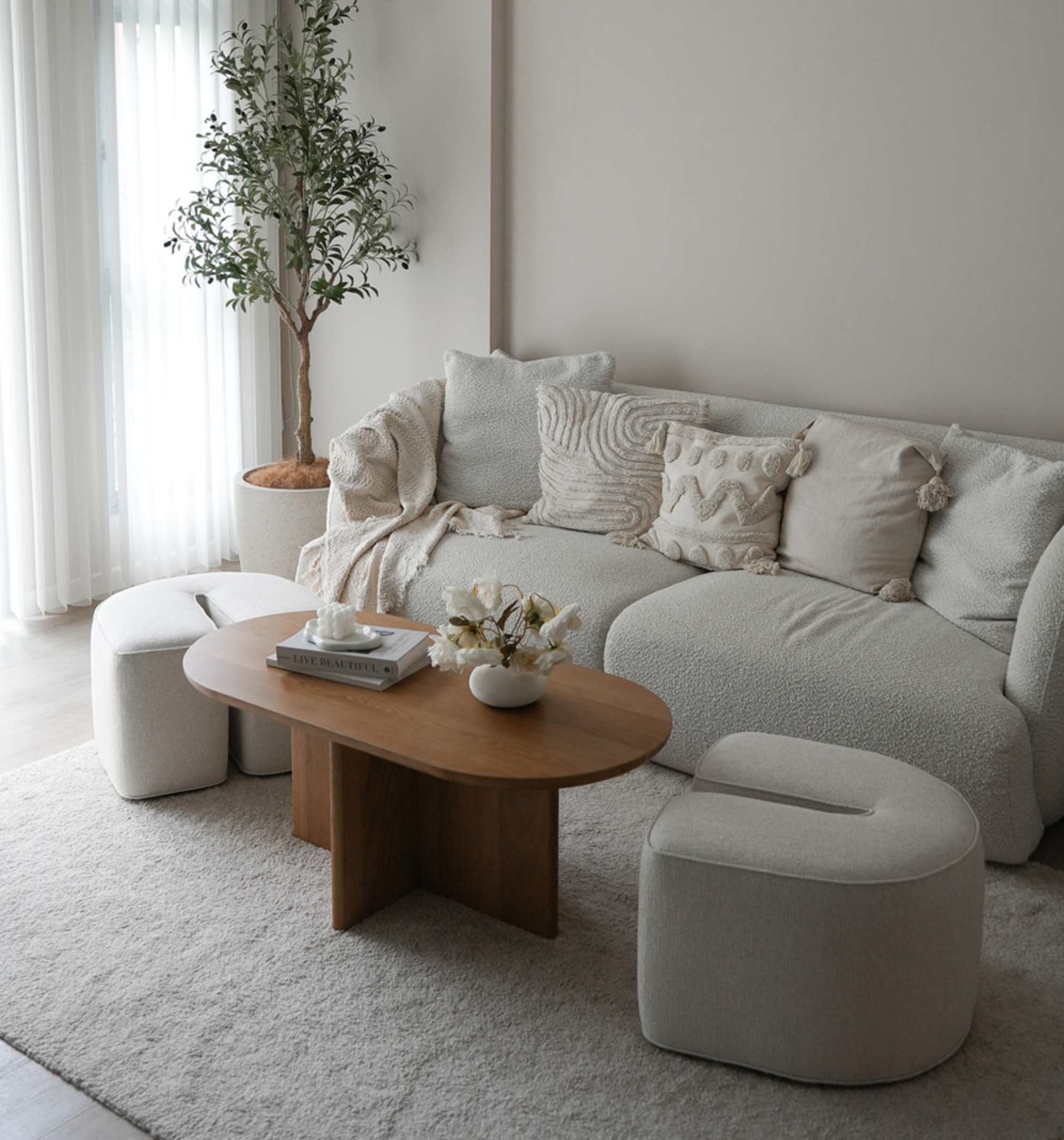
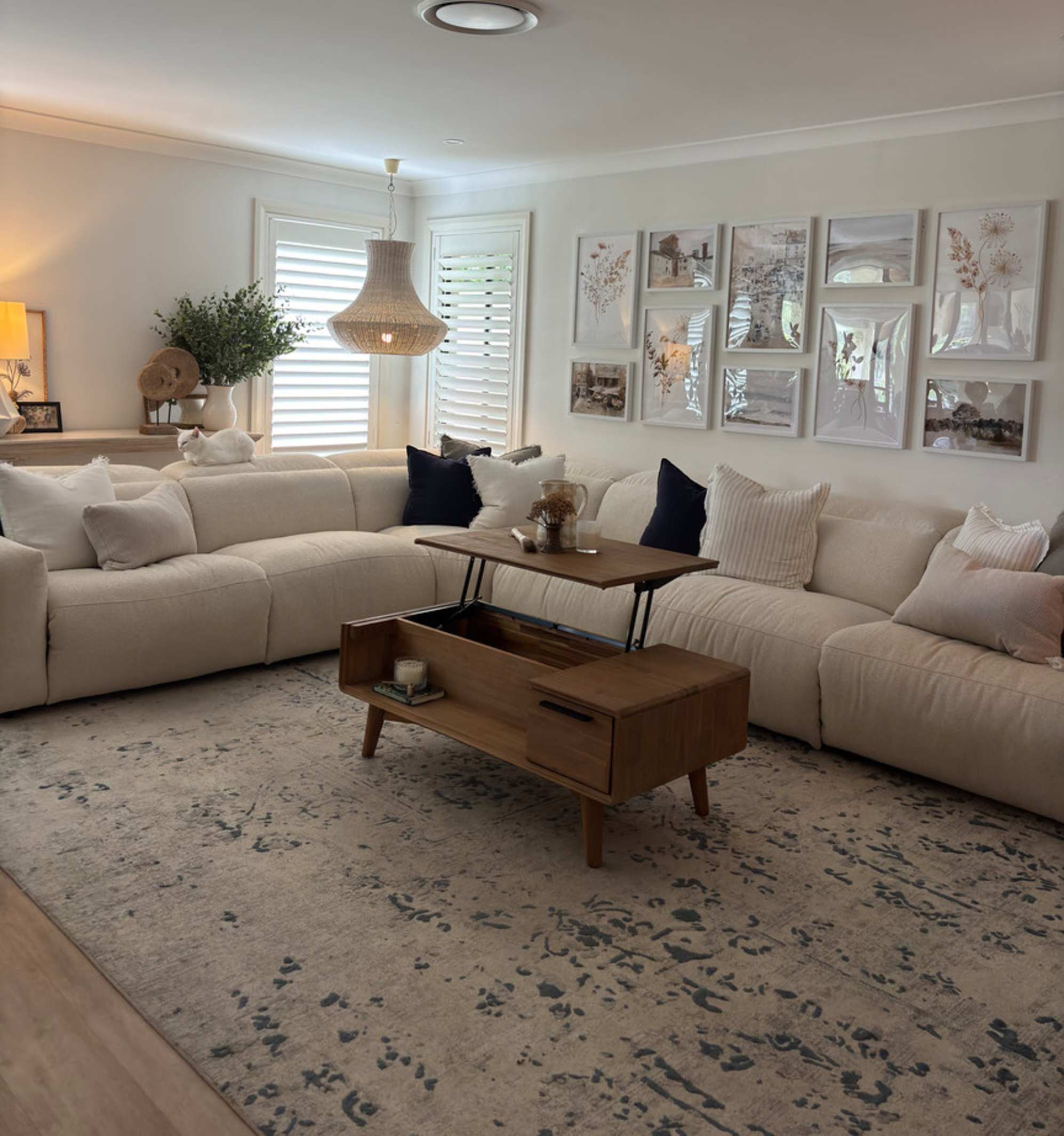
The Harper Lift-Top Coffee Table
Picture credits: @naomifindlayofficial
The Harper Lift-Top Coffee Table
Picture credits: @naomifindlayofficial
Proportion, balance, and the art of “the middle”
Function alone wouldn’t make a table indispensable. It’s the role it plays in anchoring the entire layout. In interior design, the center of a living room acts as a visual hub, and the coffee table is the piece that grounds it. Without one, the eye drifts outward toward the walls, making the room feel hollow or unbalanced.
A well-sized coffee table also completes the natural sofa–table–seating triangle, creating better flow and conversation. It establishes ideal spacing: enough room to move, enough closeness to reach, and helps distribute visual weight so the sofa doesn’t dominate the room. With the right table in place, the space feels proportioned, intentional, and whole.
The social center of gravity
When friends come over, everyone naturally gravitates toward the coffee table. Drinks, snacks, laptops, and board games all find a place on its surface, creating an informal hub for conversation and connection.
It’s the center of activity without ever trying to demand attention, facilitating shared moments that feel effortless. A well-chosen table accommodates these interactions, and even dictates the rhythm of a gathering, proving that good furniture quietly shapes the way we live.
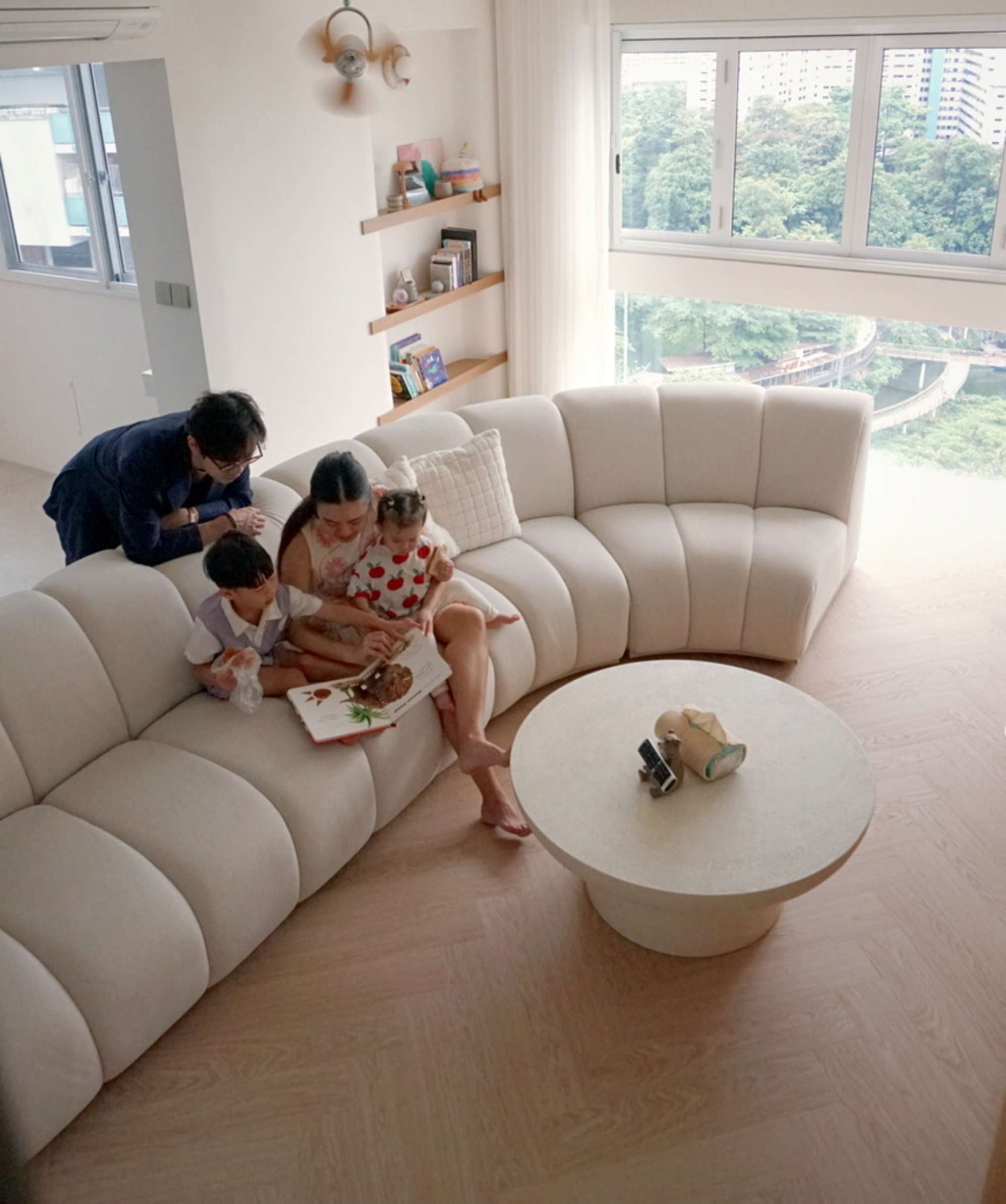
The Guin Round Coffee Table
Picture credits: @shuls.hua
The Guin Round Coffee Table
Picture credits: @shuls.hua
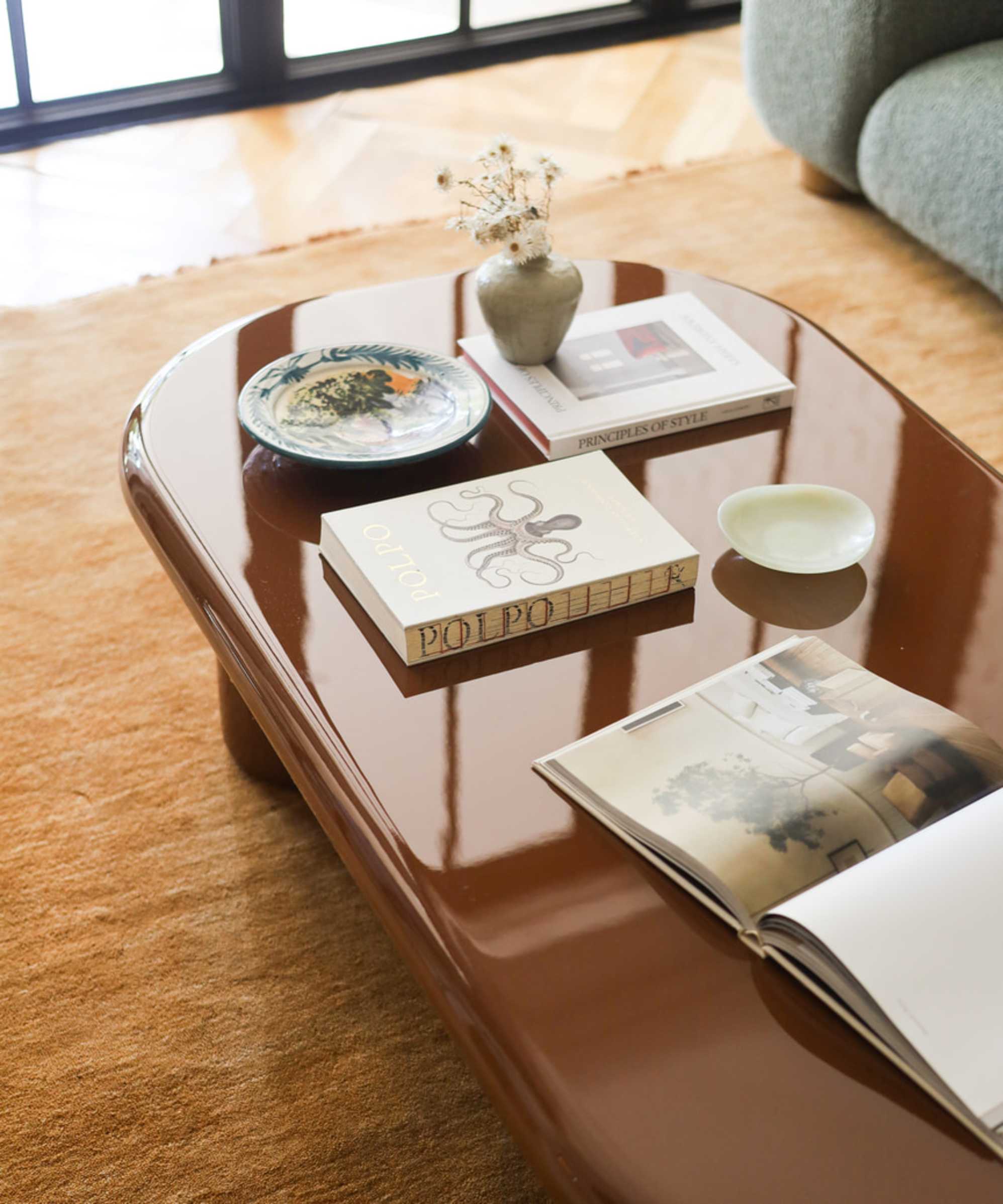
The Bruno Coffee Table
Picture credits: @jono.fleming
The Bruno Coffee Table
Picture credits: @jono.fleming
How to choose the right coffee table for your living room
Picking the right coffee table is about finding a piece that fits your lifestyle, complements your space, and enhances the way you actually use your living room. Here’s what to consider:
Size and scale matter more than you think
One of the most common mistakes is choosing a table that’s too big or too small. Here are some tips to pick the right size so your coffee table works:
The height of your coffee table should be about the same level as your sofa’s seat
The length of your coffee table should be about two-thirds of the sofa’s width
Leave 15 to 17 inches of walking space around the coffee table
Get the scale right, and the coffee table blends into the room almost invisibly, yet its impact on the overall flow is profound.
Shape sets the tone
The shape of your coffee table subtly directs how the room feels and functions.
Rectangular tables ground long sofas and create a clean, structured look, perfect for rooms where symmetry matters.
Round tables soften corners and encourage movement, reducing the chance of bumping into sharp edges, which is especially useful in households with children or pets.
Oval tables offer a compromise, combining flow and structure, and work particularly well in smaller spaces.
Here’s a coffee table shape guide to help you decide which coffee table would fit best in your home:
| Shape | Ideal sofa / Room layout | Pros | Considerations |
|---|---|---|---|
| Rectangular | Long sofas / rectangular rooms | Grounds space, structured look | Can feel rigid in smaller rooms |
| Round | Curved or smaller setups | Encourages flow, safer edges | Less surface area |
| Oval | Flexible / medium spaces | Softens corners, good for movement | Can feel awkward with very long sofas |
| Square | Symmetrical setups | Great for open layouts | Can crowd small rooms |
The Bradley Rectangular Coffee Table
Picture credits: @halfway_wholeistic
The Bradley Rectangular Coffee Table
Picture credits: @halfway_wholeistic

The Harper Marble Rectangular Coffee Table
Picture credits: @katieloiseugc
The Harper Marble Rectangular Coffee Table
Picture credits: @katieloiseugc

Beyond aesthetics, shape affects how people interact with the table, how they gather, and how they experience your space.
Think about how you actually live
Beyond size and shape, the best coffee table is one that responds to your habits. If your mornings always start with coffee in hand, consider a surface that’s easy to wipe clean. If you collect books, magazines, or small décor objects, look for layered or tiered designs that give everything a dedicated spot.
For homes that double as play areas, soft edges or upholstered surfaces reduce risk while still looking elegant. Every choice, from finish to storage options, should reflect your lifestyle, so the table doesn’t just fill a space; it actively improves how you use it day to day.
The coffee table is at the center of it all
Coffee tables are where life happens, where mornings begin with coffee, and evenings end with a book in hand. They balance form and function, style and substance, chaos and calm. They anchor the room without asking for attention, quietly orchestrating everything that happens around them.
If a living room tells the story of how you live, the coffee table is one of its most important chapters.

