
A Stylist's Take on Organic Modernism
Organic Modernism is everywhere, and it’s easy to see why. It blends natural, earthy materials with clean, modern lines, creating spaces that are simultaneously cozy, sophisticated, and undeniably lived-in. Light spills freely, materials invite touch, and furniture choices— from a sculptural armchair to a warm wooden dining table, are purposeful and beautiful.
What is organic modern style?
For me, organic modern style is all about spaces that feel alive without trying too hard. Every corner has a purpose, every detail earns its keep, creating a home that’s stylish, calm, and unmistakably lived-in.
Architect Frank Lloyd Wright first introduced the concept of organic architecture, believing homes should coexist harmoniously with their surroundings. Some might even say that this style is a beautiful mix of mid-century modern aesthetics, modern furniture, Scandinavian principles, and contemporary furniture—but to me, it’s more than labels. At its core, organic modernism is about creating spaces that feel intentional, welcoming, and genuinely human.
The Rio Outdoor Bar Cart
Picture credits: @blakeswanson
The Rio Outdoor Bar Cart
Picture credits: @blakeswanson
Understanding the organic modern design style
To get that perfect balance of lived-in comfort and refined style, I always start with a few core elements that define organic modern design.
Nature-inspired elements: Organic modernism celebrates materials like wood, stone, clay, and concrete. Clean-lined furniture lets natural textures and imperfections shine, creating spaces that feel grounded and effortlessly inviting.
Neutral color palettes: Stick to earthy shades like browns, greens, and soft grays. These tones set a calm, harmonious backdrop that highlights the beauty of natural materials.
Minimalistic approach: Simplicity is key. Keep spaces uncluttered and choose furniture with clean, streamlined lines, so each piece shines while serving its purpose.
Biophilic design: Bring the outdoors in. Add indoor plants, maximize natural light with large windows, and let nature influence your space, creating a calming, connected atmosphere.
It’s not just about how the space looks, but how it settles you. These elements bring a gentle calm that’s felt the moment you walk in.
How to create the organic modern style at home
Bring in warmth with wood
Nothing sets the tone for an organic modern home like wood. It’s warm, textured, and instantly makes a space feel grounded. Paired with stone, it brings that quiet “this feels right” energy the moment you step in.
I’m always drawn to wooden frames and accents that look good, feel good, and make a room feel settled rather than styled. Take it up a notch with wood floors, exposed beams, or paneling, which instantly anchor the space and add depth.
The Jonathan Sofa
Picture credits: @twopotatoesinasack
The Jonathan Sofa
Picture credits: @twopotatoesinasack

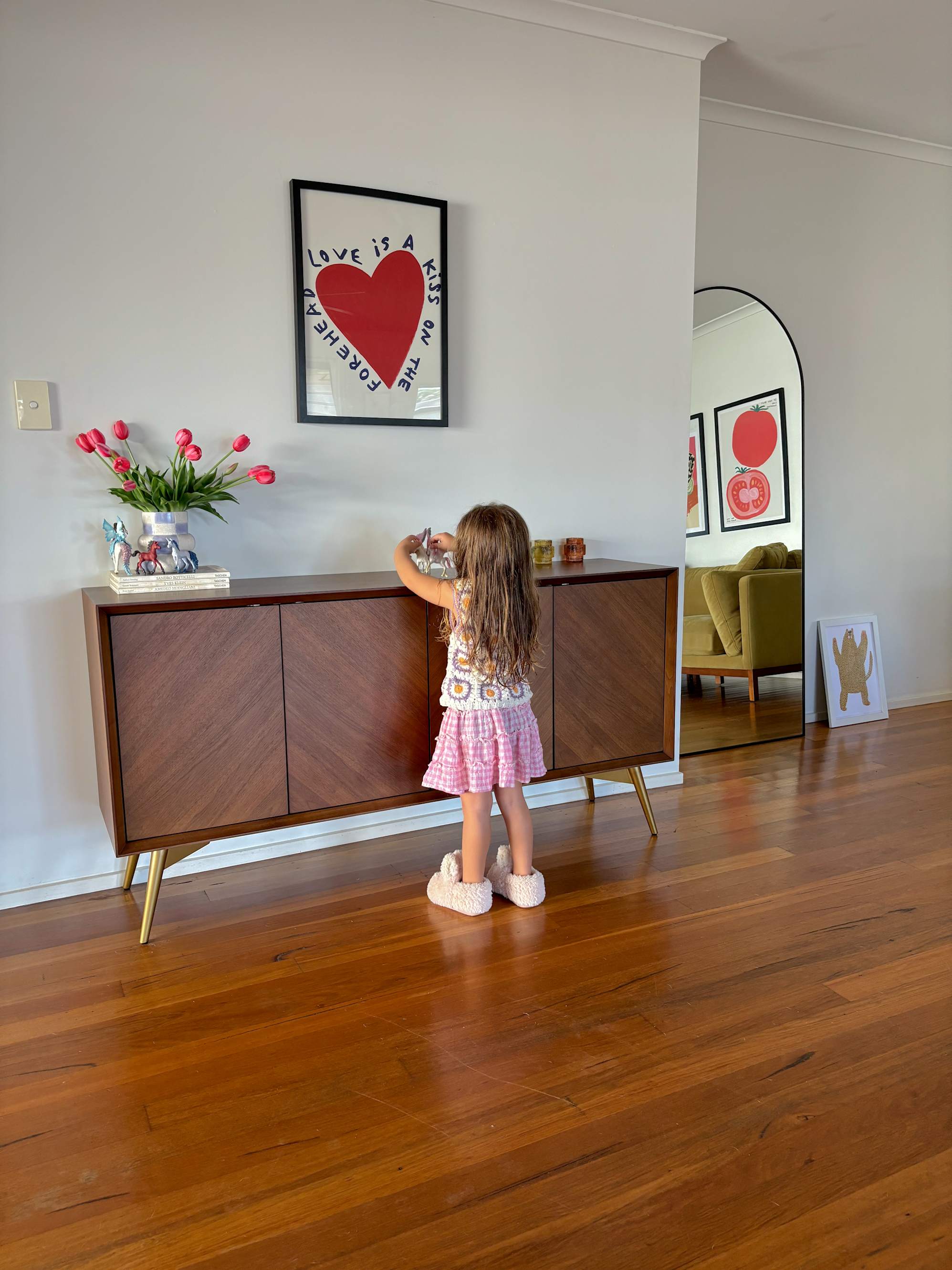
Layer natural textures
Natural textures are my secret weapon in organic modern interiors. They infuse a home with soul, warmth, and depth, making it feel alive without even trying. And layering? It’s the secret that changes everything.
Think soft jute rugs, cozy textured throws, and a bouclé chair, or woven baskets in the dining area to bring a rustic, handmade touch.
Layered textures give a room that sweet spot between polished and relaxed. Get it right, and the space feels warm, welcoming, and full of personality. The kind of home you actually want to kick your shoes off in.
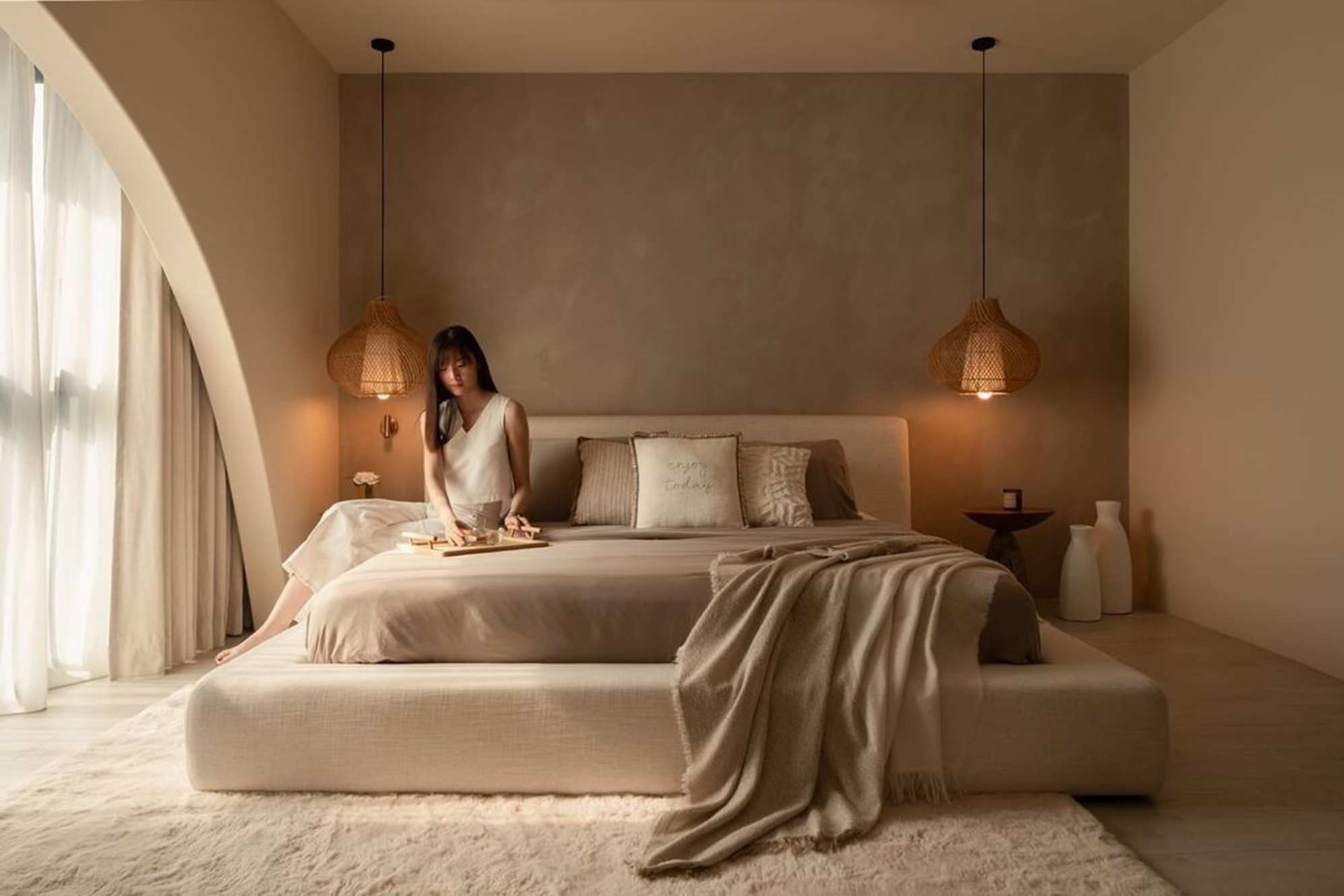
The Cora Wool Area Rug
Picture credits: @light.in.dwelling
The Cora Wool Area Rug
Picture credits: @light.in.dwelling

Include stone statement pieces
In organic modern interiors, statement pieces do more than look good. They set the mood, anchor the space, and add personality you can actually live with. A stone or marble centerpiece instantly grounds the room, bringing a natural connection. Materials like Carrara marble, travertine, or slate show off nature’s raw beauty while keeping things timeless and sophisticated.
For a bigger impact, incorporate stone floors or wall cladding. It gives your home weight, warmth, and a lived-in vibe that works as well for relaxing as it does for hosting.
The Ingrid Sherpa Chair
Picture credits: @casa__granada
The Ingrid Sherpa Chair
Picture credits: @casa__granada

The Harper Marble Sideboard
Picture credits: @winnie.loves
The Harper Marble Sideboard
Picture credits: @winnie.loves
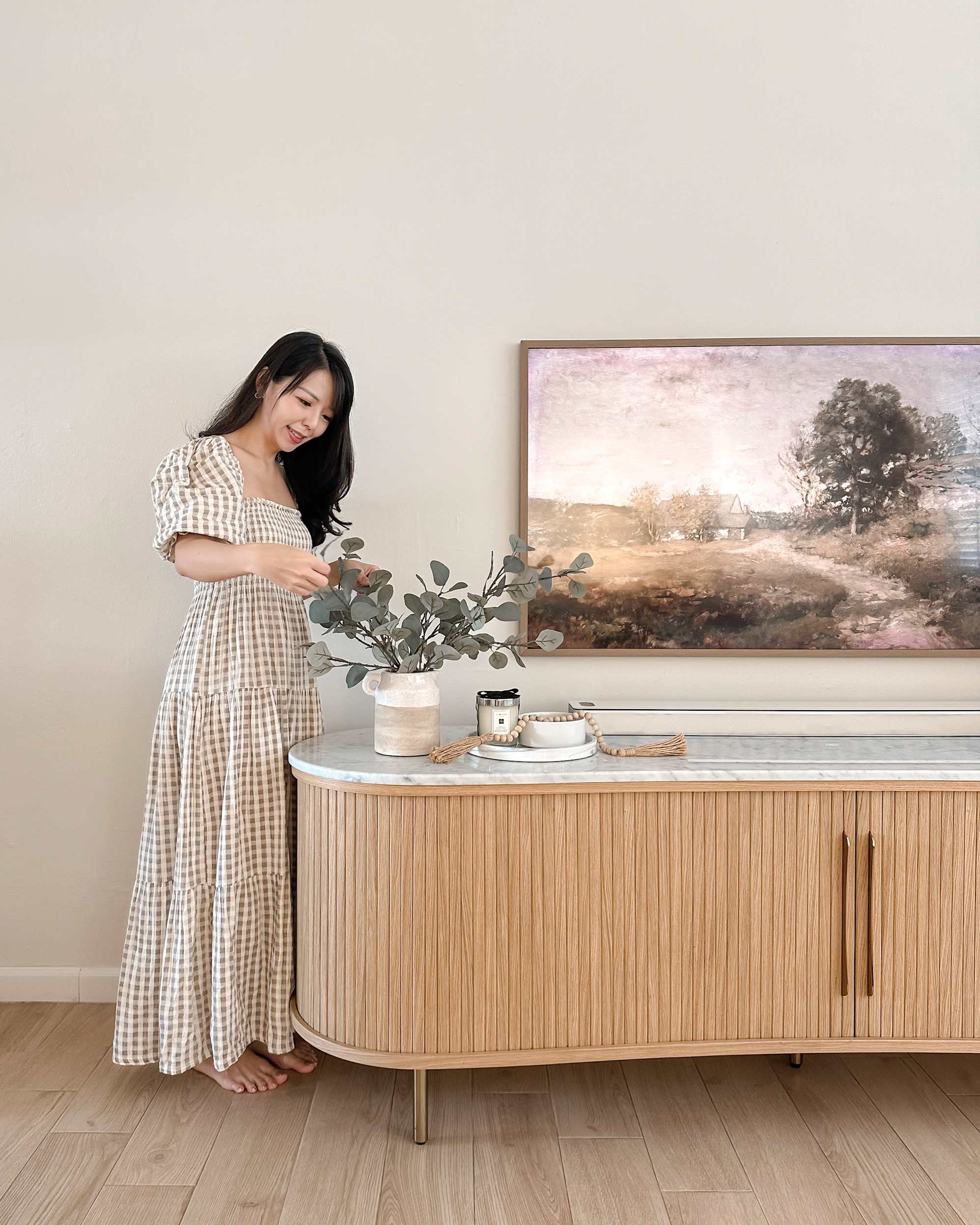
Embrace an open floor plan
Open floor plans are one of those choices that quietly change everything. With fewer walls in the way, materials, light, and movement can mingle freely between the kitchen, dining, and living areas. Furniture placement, like a lounge chair near a window or a dining table at the centre, creates zones without interrupting flow.
What I love most is how natural light spills further into the home, making rooms feel calm, airy, and ready for whatever the day brings—whether it’s a slow morning or friends lingering longer than expected. The whole setup feels thoughtful, practical, and just… right.
The Dawson Chaise Sectional Sofa
Picture credits: @studiometanoia
The Dawson Chaise Sectional Sofa
Picture credits: @studiometanoia
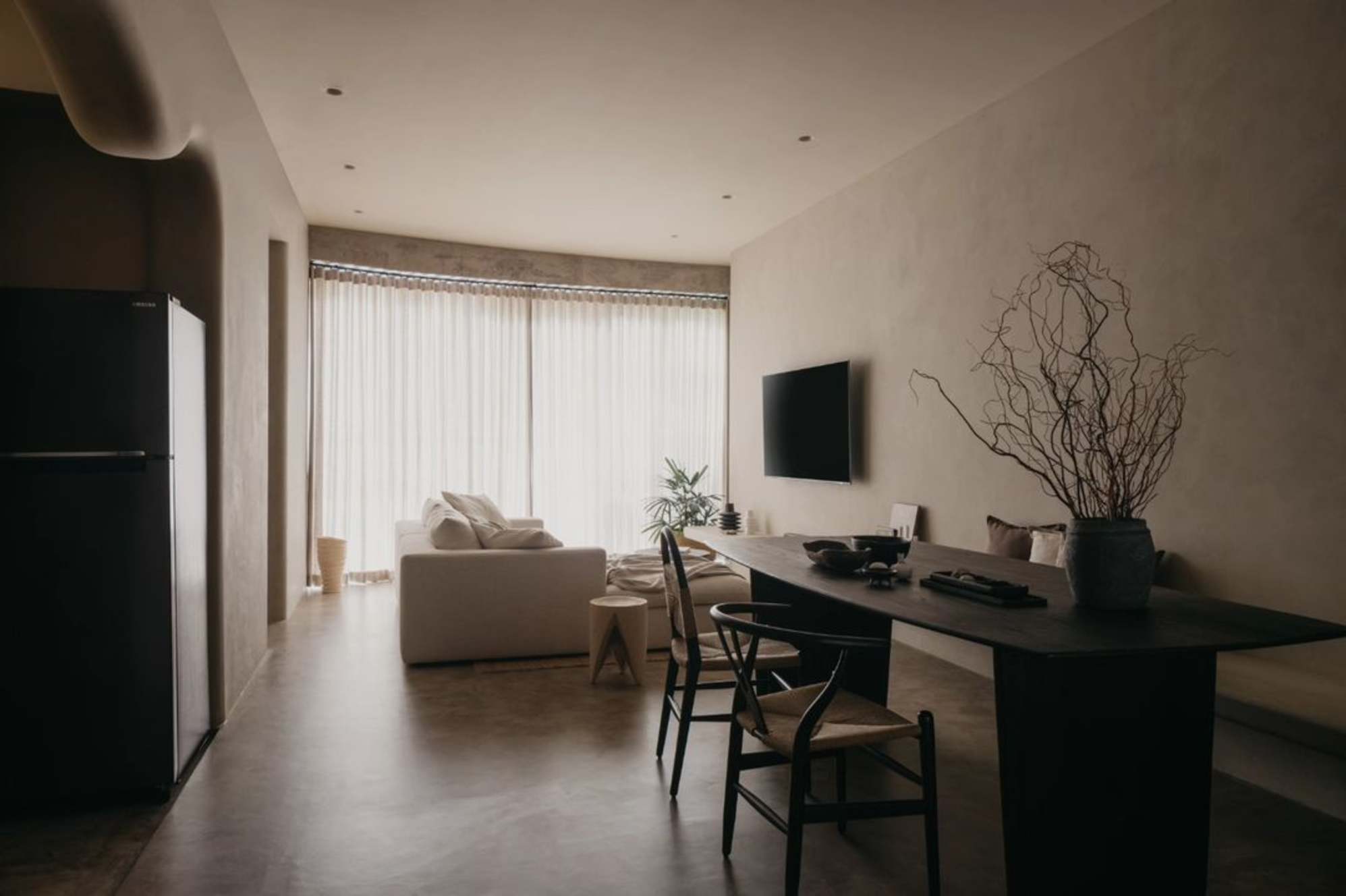
The Marlow Performance Boucle sofa
Picture credits: @marshy.home
The Marlow Performance Boucle sofa
Picture credits: @marshy.home
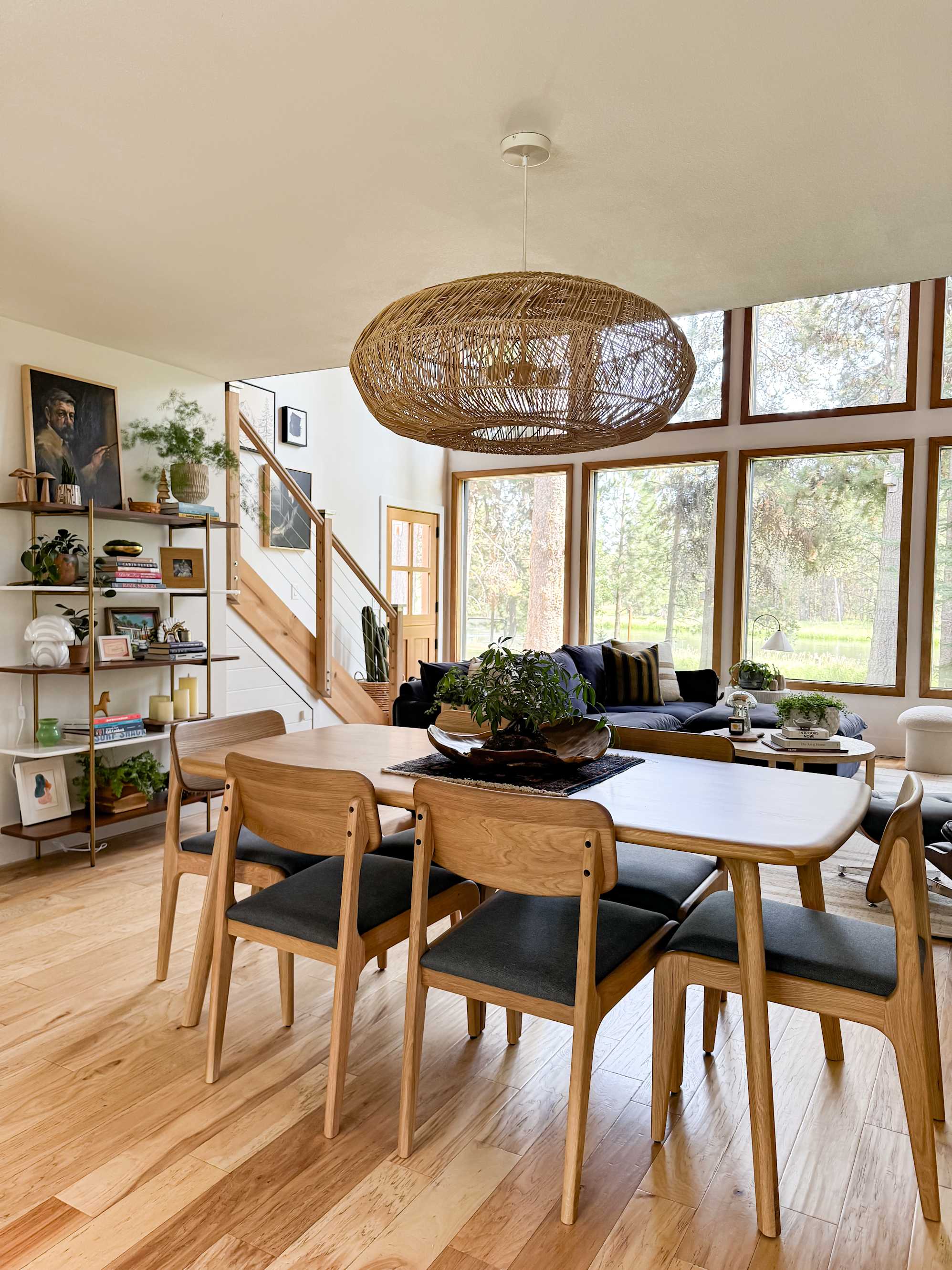
Fill your home with greenery
Indoor plants are essential in organic modern interiors. They bring lush greenery that instantly breathes life into a space while creating a quiet connection to the outdoors. The vibrant green contrasts beautifully with clean lines and neutral tones, adding warmth, depth, and an inviting, lived-in feel.
I personally love playing with different shapes, sizes, and textures—it’s my secret to keeping a home feeling alive. Big leafy plants like monsteras or birds of paradise make a statement in the living room, while smaller ones like succulents or pothos sneak in charm wherever it’s needed. Styled thoughtfully, greenery turns a house into a home that feels lively, cozy, and unmistakably styled without trying too hard.
The Hamilton Chaise Sectional Sofa
Picture credits: @designlovesdetail
The Hamilton Chaise Sectional Sofa
Picture credits: @designlovesdetail

The Vincent Dining Table
Picture credits: @girlandgrey
The Vincent Dining Table
Picture credits: @girlandgrey
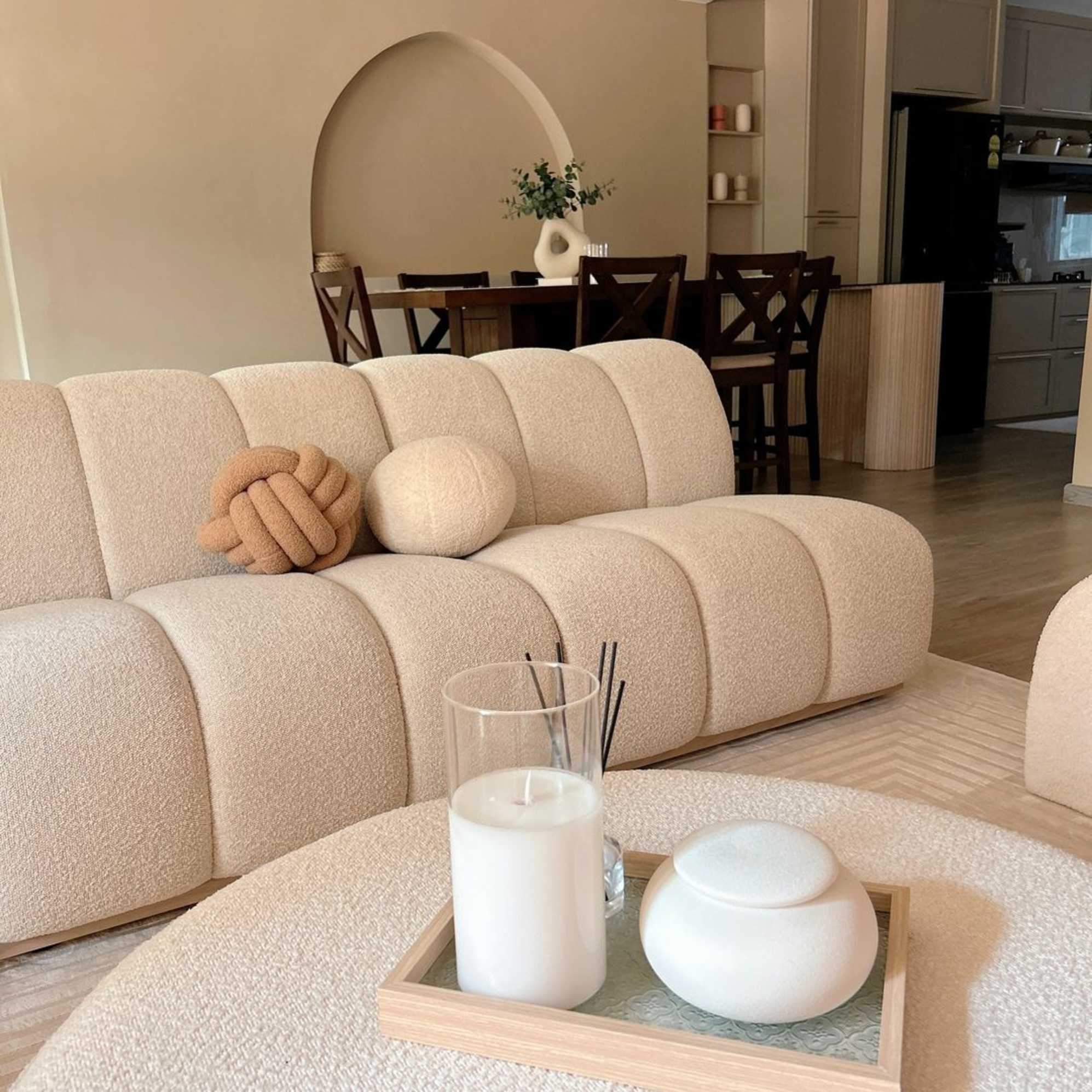
Incorporate curves and organic shapes
Including curves and organic shapes in your home isn’t just an up-and-coming interior design trend, they’re central to organic modern. They soften clean lines and bring a sense of warmth and flow, making a home feel inviting and effortless.
Curves are my trusty weapon in organic modern interiors. Sofas with rounded backs invite you to sink in, coffee tables with soft edges complement the flow of the rooms, and arched doorways give the eye somewhere to wander. These shapes soften the space, add personality, and make a home feel thoughtfully curated.
The Auburn Performance Fabric Curve Sofa
Picture credits: @homebyheena
The Auburn Performance Fabric Curve Sofa
Picture credits: @homebyheena

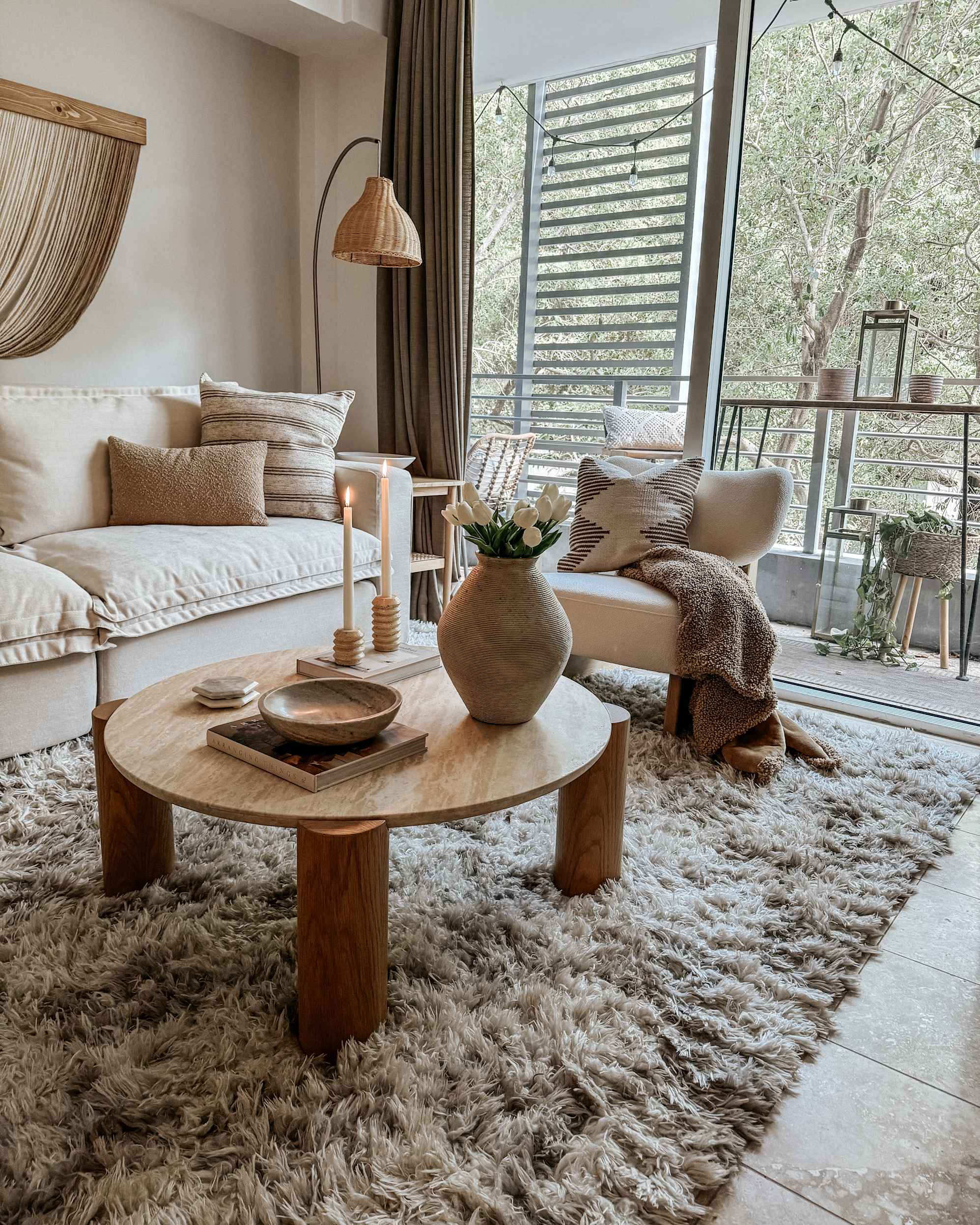
The Albie Travertine Round Coffee Table
Picture credits: @groundedinneutral
The Albie Travertine Round Coffee Table
Picture credits: @groundedinneutral
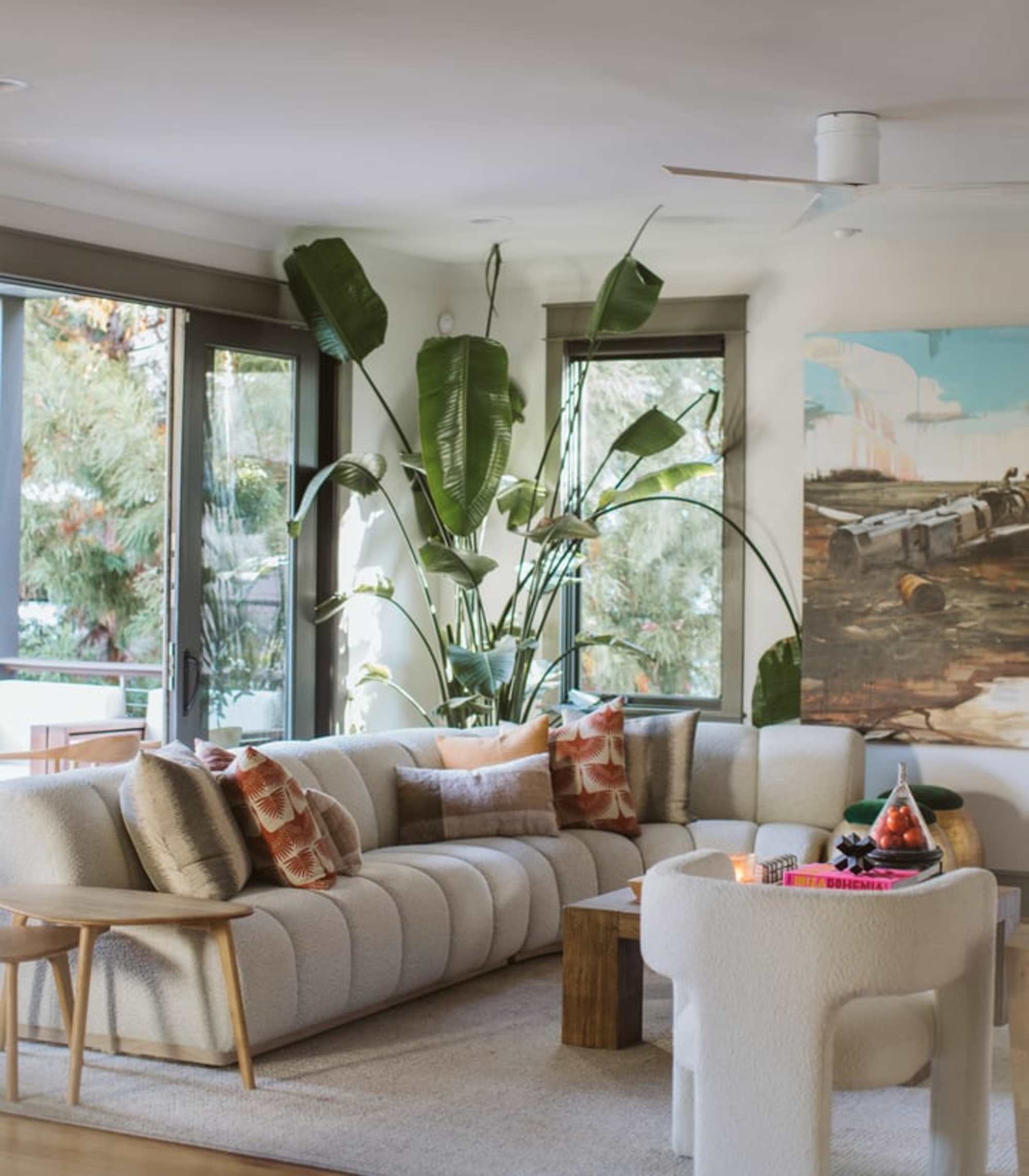
Add pops of color
Neutrals form the serene foundation of organic modern interiors, but pops of color bring personality, depth, and visual intrigue. Introduce color through accent furniture, artwork, rugs, or decorative pieces. Earthy hues like moss green bring warmth, while richer shades like emerald draw the eye and create natural focal points. Carefully layered, these colors break up a neutral palette without interrupting the calm and balance.
Organic modern works because it’s as practical as it is pretty, creating a home that feels grounded, layered, and inviting. Perfect for curling up with a book, hosting friends without stress, or just wandering from room to room and enjoying how it all flows.
The Marlow Bouclé Chaise Sectional Sofa
Picture credits: @bbbuffaloe
The Marlow Bouclé Chaise Sectional Sofa
Picture credits: @bbbuffaloe

Use the 3–5–7 rule for effortless style
The 3–5–7 rule is a little-known trick that makes a space feel calm, collected, and genuinely styled without trying too hard.
3 objects: Group small items, such as vases, stones, or ceramics, at varying heights.
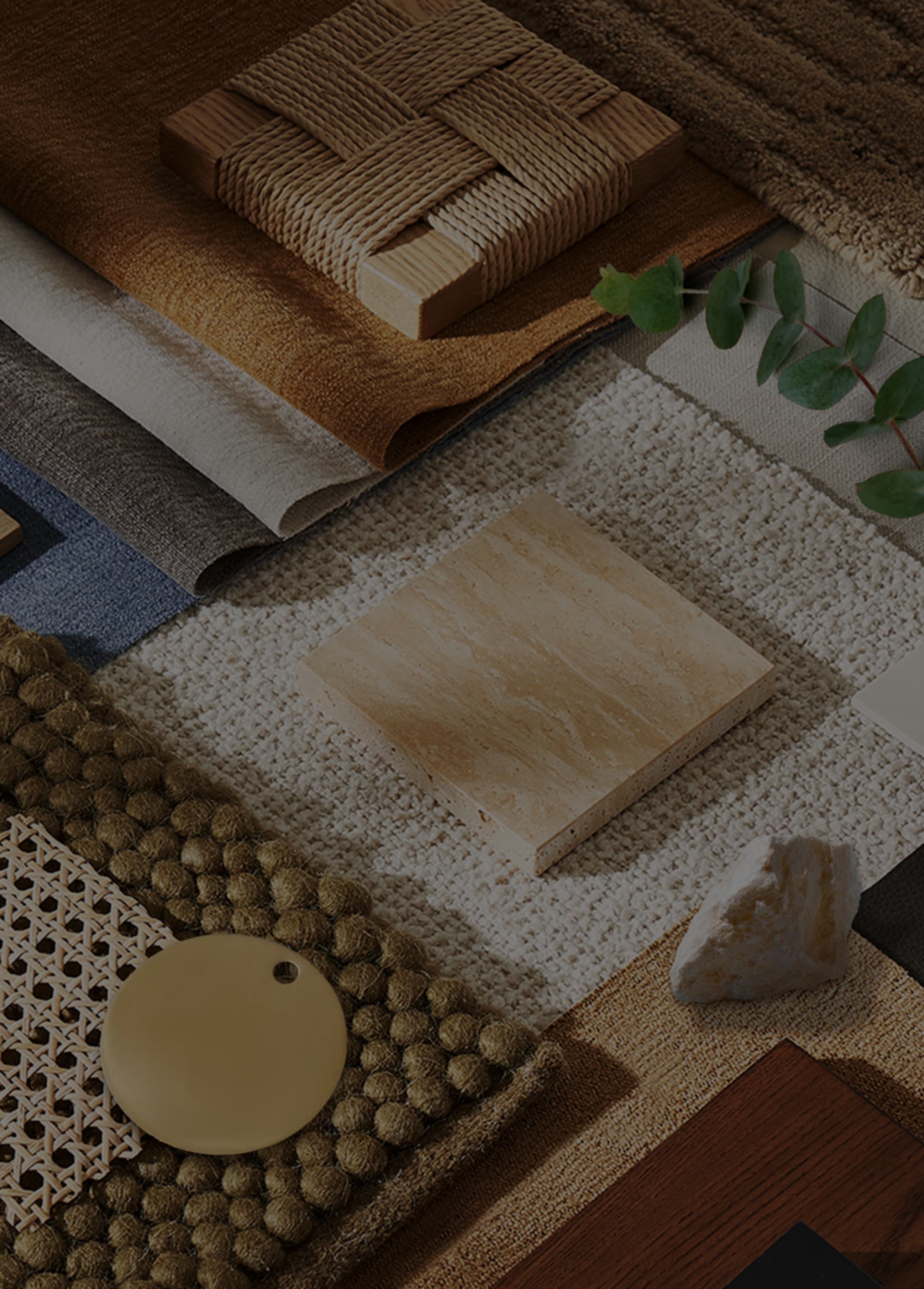
5 textures: Combine materials like linen, wool, wood, stone, and rattan.
7 accents: Add smaller decorative elements such as plants, prints, or curios for rhythm and personality.
This method balances complexity and simplicity, giving your home a thoughtfully styled, organic modern feel.
Live the organic modern way
Organic modern isn’t just a style, it’s how a home should feel: grounded, calm, and effortlessly alive. It’s about layering natural materials you want to touch, incorporating sculptural forms that catch the eye, and choosing a palette that soothes rather than shouts. With the right touch, these elements can transform a room from “nice enough” into a space that truly feels like home.
At its heart, organic modern is about real life, not just a pretty picture. It turns your home into a haven that welcomes you, encourages you to slow down, and makes everyday moments feel just a little more intentional.
Frequently asked questions about organic modern interior design
What’s the difference between organic modern and mid-century modern styles?
While both interior design styles share some common elements, organic modernism is a more contemporary and nature-centric evolution of mid-century modern design. Organic modern style places a stronger emphasis on nature-inspired elements, incorporating organic shapes, textures, and a connection to the natural world.
What’s the difference between organic modern and farmhouse style?
Organic modern pairs sleek lines with natural materials like light wood, stone, and ceramics for a warm, airy, and refined feel. Modern farmhouse leans into rustic charm with reclaimed wood, distressed metals, and cozy vintage touches. Both favor neutrals and natural accents, but the mood sets them apart: polished and serene versus cozy, lived-in, and full of character.
What are the colors of the organic modern style?
Organic modern style embraces a soothing, nature-inspired palette of warm neutrals such as creamy whites, beiges, soft grays, and earthy browns, punctuated with muted accents like sage green, terracotta, deep blue, or black. These colors highlight natural materials and textures, creating a home that feels both cozy and serene.
What are the best materials to include in organic modernism?
This style celebrates a mix of materials that evoke nature such as wood, stone, and natural fibers. The key here is to embrace these materials in their natural form, like weathered wood or chipped stone.
